After the Last Receipt: Seven Shops That Flip Into All-Ages Rock Rooms
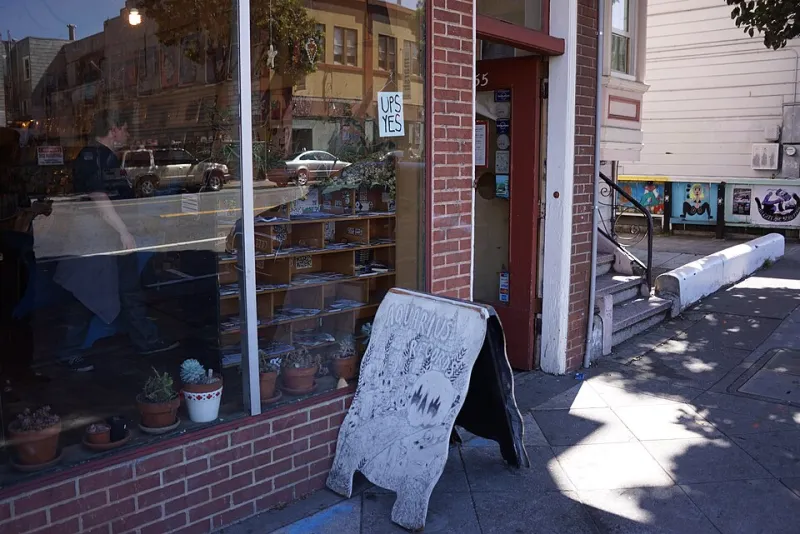
Photo: Plateaueatplau, CC BY-SA 4.0, via Wikimedia Commons
The record store show is not a novelty anymore. In 2026, it is a survival strategy.
Bars have age limits. DIY spaces have landlord problems. VFW halls have booking committees. But an independent record store already has a room, a sound system that mostly works, and a built-in audience of people who care about physical music. When the register closes and the bins get rolled against the wall, that room can turn into a 60-to-150-capacity all-ages rock club for the price of a few hours of labor and a couple of borrowed monitors.
The seven stores below are not giant venues. They are shops that clear the floor, set up a PA, and book bills that would otherwise struggle to find a room. The covers are low, the curfews are early, and the crowds are full of teenagers who cannot get into the bar down the street. That is the point.
1. Static Bloom Records — Portland, Oregon
Static Bloom sits a few blocks off Alberta, and its back room has become a reliable stop for Pacific Northwest punk and hardcore. The store pulls the listening stations to the side, stacks the new arrivals on the counter, and sets up a vocal PA in front of the jazz section. Bills mix touring DIY bands with local openers, including high school groups playing their first or second show.
Cover is usually $8, all ages, doors at 7 p.m. The shop keeps a strict 10 p.m. curfew because the neighbors are close and the walls are thin. That curfew is a feature: kids can see three bands and still get home before the last bus. The scene here is polite, fast, and full of people who actually buy the records between sets.
2. The Groove Cellar — Cleveland, Ohio
The Groove Cellar has been selling used vinyl in Cleveland for years, but its after-hours shows have become a lifeline for garage and sludge bands too loud for the coffee shop and too young for the bar. The shop clears the center aisle, hangs a sheet behind the drums, and lets the feedback bounce off the ceiling tiles.
Cover runs $7 to $10, all ages, with most shows starting at 6:30 p.m. The bills lean toward fuzz, boogie, and anything with a blown-out speaker. Local promoters often pair a touring band with a first-time opener from the suburbs. The store does not serve alcohol, which means the crowd is a mix of teenagers, parents, and record nerds who came for the $3 bin and stayed for the noise.
3. Needle Drop Social Club — Louisville, Kentucky
Needle Drop calls itself a record store, but the back half is basically a small listening room with a stage riser that gets dragged out twice a month. The shop books emo, indie rock, and the kind of loud-quiet-loud bands that need a room with decent sightlines and no barstool obstacle course.
Cover is $10, all ages, and the store caps the room at 100 people. That cap matters. It keeps the show intimate and keeps the floor from becoming a fire hazard. The crowds here are young, loud, and dressed like they raided a 2006 mall. The shop sells sodas and water at the counter, and the merch table is usually just a folding table next to the used CD section.
4. Side A Sanctuary — San Antonio, Texas
Side A Sanctuary is a small shop with a big DIY streak. The store hosts noise, experimental, and punk bills in a room that feels like a living room with better lighting. The floor is concrete, the PA is modest, and the shows are all ages and sober-friendly.
Cover is usually $5, sometimes pay-what-you-can. The shop books local acts alongside touring artists who are passing through on a Tuesday and need a place that will actually promote the show. The crowd is a mix of art-school kids, older scene veterans, and people who wandered in for a used copy of a Jesus Lizard record and stayed for the set. The store asks everyone to keep the aisle clear, which is a nice way of saying do not stand in front of the emergency exit.
5. B-Side Basement — Asheville, North Carolina
B-Side Basement is exactly what it sounds like: a record store with a downstairs room that smells like cardboard and old carpet. The shop books folk-punk, grunge, and scruffy rock bands that can work a small room without a barricade.
Cover is $10, all ages, doors at 7 p.m. The store moves the dollar bins into the hallway and sets up a small stage at the back. Bills often include a local headliner and two openers, one of which is usually a band of teenagers from the surrounding counties. The room is not perfect. The low ceiling eats the vocals and the lighting is basically one lamp. But the crowd is there, the cover is cheap, and the bands get paid.
6. Vinyl Verdict — Minneapolis, Minnesota
Vinyl Verdict has a long, narrow floor that turns into a surprisingly good hardcore room once the bins are pushed to the walls. The shop books fast, loud bills and keeps the shows early enough that younger fans can get home before the temperature drops too far.
Cover is $8, all ages, with doors at 6:30 p.m. and a hard 9:30 p.m. curfew. The store does not have a full bar, so the crowd is there for the music, not the drink specials. Local promoters use the space for record-release shows, benefit gigs, and the kind of matinee bills that would get lost in a bar. The sound is scrappy but loud, and the merch table does steady business.
7. Last Ticket Records — Philadelphia, Pennsylvania
Last Ticket Records is the biggest room on this list, and it uses every inch. The shop clears the floor, rolls out a proper PA, and books mixed bills that swing from indie rock to hardcore to whatever the hell the last band is doing. The store is all ages, and the cover is usually $10.
Philadelphia has no shortage of small venues, but most of them are bars. Last Ticket fills the gap for bands that are too young for a 21-plus room and too big for a basement. The crowd is a cross-section of the city: high school kids, college students, and older fans who still want to be home by midnight. The shop keeps a strict no-stage-diving policy, which is less rock and roll and more insurance requirement, but the shows still get loud enough to rattle the framed posters on the wall.
Why these rooms matter
The all-ages record store show is not just a cute workaround for bands with underage members. It is a training ground. It is where a 16-year-old sees a touring band for the first time and decides to start one. It is where a local opener learns how to load in, set up, and play a 25-minute set without a bar crowd talking over the music. It is where the scene gets younger, and therefore stays alive.
In 2026, the economics are still rough. Covers are low, rents are high, and nobody is getting rich off a $7 ticket. But these stores are doing the work anyway. They are clearing the bins, rolling out the PA, and keeping the door open for the people who need it most. That is not nostalgia. That is infrastructure.